4 Noble Truths That Changed How I Lead My Life
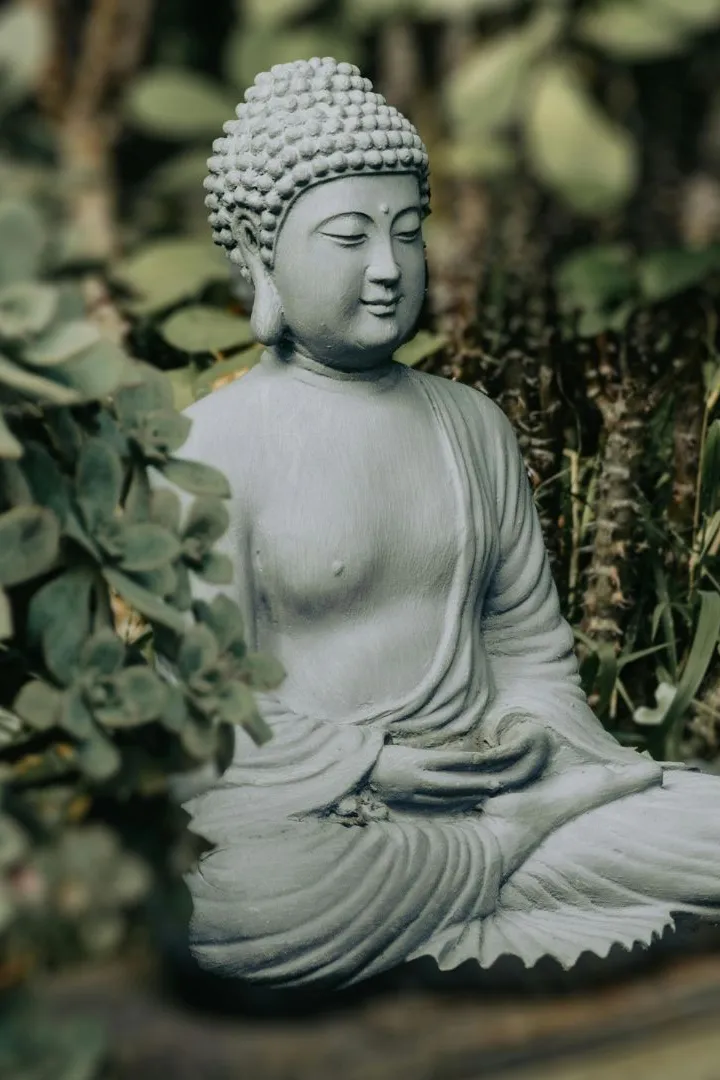
4 Noble Truths That Changed How I Lead My Life
These Truths are not profound or unknown. They are about accepting what we already know to find a way to end the chaos.
Introduction
Buddhism, I think, is the first religion that actually treated humans as individuals. While most religions assign duties and use fear or pleasure to ensure loyalty to society, Buddhism addresses individual suffering and personal questions directly.
The New Path
The question of suffering is likely the oldest question humans have ever asked. It is a paleolithic form of "Why me?" A seal doesn't ask why a polar bear is chasing it. A polar bear doesn't wonder why it’s so hard to catch a seal (statistically, 9 out of 10 hunts fail). They just exist. But when a human suffers, we do two revolutionary things:
- We innovate: We didn't wait a million years to grow cheetah legs; we found the wheel. Then, in just a thousand years, we flew higher than any bird.
- We ask "Why?": We ask why we should even suffer at all. The answer a religion provides to this question—and the relief it offers—determines its power.
How Buddha Revolutionized the Approach
Old religions focused on social order. To keep fragile societies from breaking, they used a simple logic: "Do no harm so trust isn't broken." But as societies grew and hierarchies emerged, the powerful began to go unpunished. Chaos reigned.
To bring order back, religions added the "Fear and Pleasure" ingredients: Hell, Heaven, and an Eye in the Sky.
Buddha changed the game. He didn't try to order society; he talked to the individual. He addressed our prime concern: Suffering. He didn't offer superficial motivation. In modern terms, he basically said:
"Bro, if you want motivation, go to YouTube. This is not that place."
He stripped away the "painkillers" and offered a permanent cure through the Four Noble Truths:
- The Truth of Suffering (Dukkha): Suffering is inevitable. The pursuit of trying to eradicate it or run away from it only causes more suffering.
- The Truth of the Cause (Samudaya): The root cause of suffering is craving. Desire is the anchor that keeps us stuck.
- The Truth of the End (Nirodha): There is a way out: removing the craving at its root. If you cut a plant at the stem, it grows back. You have to pull it out from the soil.
- The Truth of the Path (Magga): He didn't just give a speech and walk out with 1000+ aura. He devised a practical, 8-fold path to end this suffering forever.